
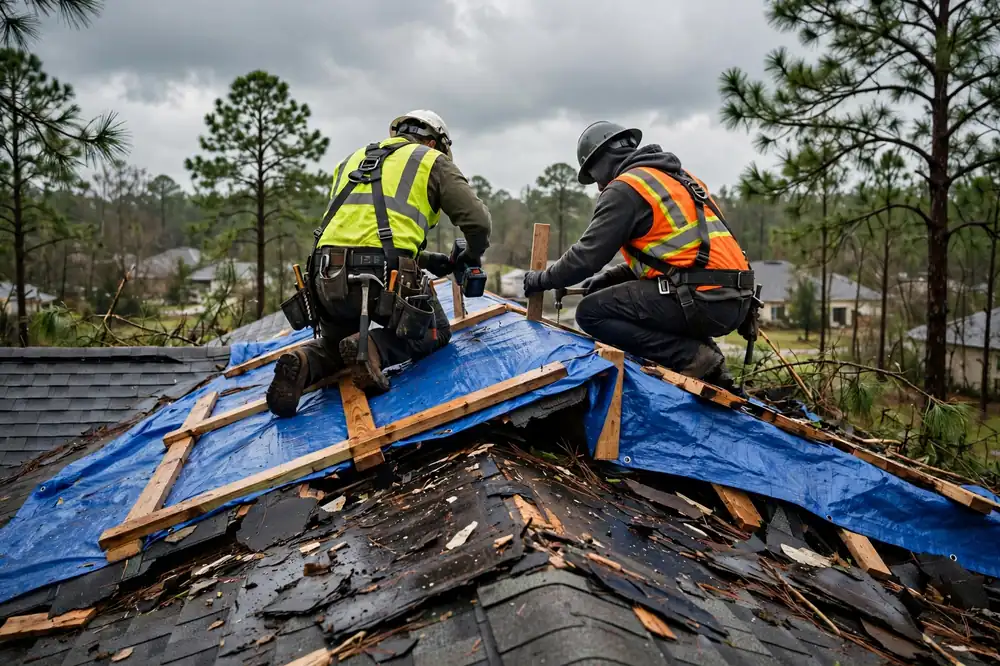
Documentation and adjuster meetings only — never a "free roof"
Insurance Claims Assistance in Conroe, TX
After a storm, the claim is a process — and our part of it is documentation. Before you hire anyone for the work, see what to check before hiring a roofer. We inspect the damage, photograph it slope by slope, write an itemised scope tied to the weather event, and meet your adjuster on site. Where the roof is open, the first step is emergency roofing services — tarping and dry-in during business hours — before the documentation starts. That is what we do. What we do not do is file your claim for you, negotiate your settlement, or act as a public adjuster — Texas law bars a contractor doing the work from doing that. And we never waive, absorb, or rebate your deductible: that is illegal in Texas. There is no such thing as a free roof after a storm, and any roofer who promises you one is breaking the law.
Documented damage & written scopeAdjuster meetings on siteMon–Sat 8 AM–8 PM
What's included
What Our Claims Assistance Covers — And What It Does Not
The line is the service. Here is what is included, and what Texas law keeps out.
Photo-Documented Inspection
Dated photos organised by plane, chalked test squares with counts written beside them, and the soft-metal set — the file your claim is built on, and the file a storm damage roof repair visit builds.
Written Itemised Scope
A written scope in line-item form, tied to the covered weather event: what the storm did, what can be repaired, what needs replacing, and what is age or wear. Where a limb or a pine came down, the scope is written as tree-damage roof repair, with the tree removal scoped separately.
Adjuster Meeting
We meet your adjuster on site and walk the documented damage with them, with the photo file and the test-square counts in hand.
Supplements, Documented
Items the adjuster missed, or discovered during tear-off, documented with photos and a corrected estimate — for the carrier to decide. We do not promise a denied claim can be reversed.
What We Do Not Do: File or Negotiate
We do not file your claim for you, negotiate your settlement, advise on your coverage, or act as a public adjuster. Texas Insurance Code §4102.163 bars a contractor doing, or who may do, the work from acting as a public adjuster on that property.
What We Do Not Do: Waive the Deductible
We never waive, absorb, rebate, or pay your deductible. That is illegal in Texas under the Business and Commerce Code §27.02 and Insurance Code Chapter 707. Any roofer who offers it is breaking the law.
Service overview
What Insurance Claims Assistance in Conroe Really Involves
Insurance claims assistance in Conroe is documentation and adjuster-meeting help — and only that. We inspect the damage, photograph it, write an itemised scope tied to the weather event, and meet your adjuster on site. Your claim is filed by you, with your insurer or agent, and the settlement is negotiated between you and your carrier. The file we build — dated photographs organised by plane, chalked test squares with counts written beside them, the soft-metal set, and a written scope in line-item form — is the product. The decision is the carrier's.
The Texas Department of Insurance sets out the process plainly: contact your insurance company or agent to file a claim as soon as possible, make a list of any damage, take photos or video with your phone, do not throw anything away until the insurance company tells you to do so, and save your receipts from any temporary repairs. The TDI Help Line is 800-252-3439, 8 a.m. to 5 p.m. Central, Monday to Friday. TDI also warns homeowners directly: avoid contractors who offer to waive your deductible — that is illegal in Texas — and never sign a contract that has blank spaces in it. The prompt-payment rule is generally 15 days for the carrier to acknowledge the claim and start investigating, 15 business days after receiving everything requested to accept or reject it in writing, and 5 business days to pay once accepted — the exact day counts in the Prompt Payment of Claims Act need verification against the current statute, so we state them generally and cite TDI. Filing deadlines vary by policy, so read your declarations page for your policy's own deadline — and do not rely on a single number you heard somewhere. If you disagree with the carrier, ask them to reconsider in writing with your dated photos and our written report, and ask for a re-inspection with us present. Appraisal, a TDI complaint, and a public adjuster are the further steps — and a public adjuster is a separate professional you hire yourself, not us.
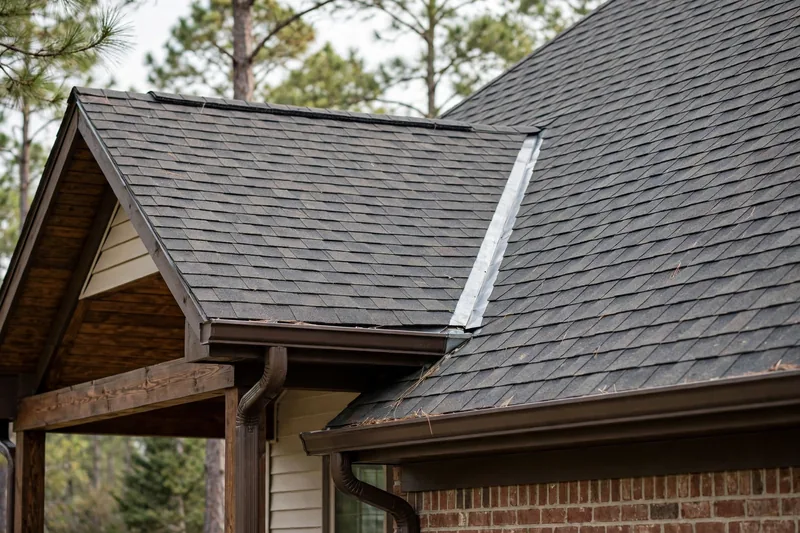
How we workWe verify the cause, compare realistic options, and confirm the scope before work starts.
The service timeline
How Our Claims Assistance Process Runs
Document first, file promptly, meet the adjuster, and keep the record.
Document the Damage
We inspect the roof, photograph the damage slope by slope, mark test squares, and record the soft-metal evidence — before anything is repaired.
File Promptly
You file the claim with your insurer or agent as soon as possible, with the list of damage and the photos. Filing deadlines vary by policy — read your declarations page.
Written Scope
We write an itemised scope tied to the weather event: what the storm did, what can be repaired, what needs replacing, and what is age or wear.
Adjuster Meeting
We meet your adjuster on site and walk the documented damage with them, with the photo file and the test-square counts in hand.
Supplements and Record
Items missed, or discovered during tear-off, are documented with photos and a corrected estimate for the carrier to decide — and the file is kept, so the record survives the repair.
Tools methods
Tools and Methods We Use on Claims
Evidence tools — the file is the product.
Camera
Dated photos by plane, of every slope, every penetration, and every problem found. The photo file is the record.
Chalk and test squares
Marks the inspection area so hail counts are recorded slope by slope, in a form an adjuster can follow.
Moisture meter
Finds soft decking and traces leaks to the actual source, from the roof and the attic side — including deck fractures under intact shingles.
Written scope
The itemised scope in line-item form, tied to the weather event. The scope is the document the carrier works from.
Ladder and stabilizer
Stable ladder access to every slope, so the inspection is a walk, not a look from the ground.
Roof safety harness
Fall protection on every job, on every pitch.
Use cases
When Conroe Homeowners Call Us for Claims Assistance
These examples show how the service framework adapts rather than forcing every call through one repair.
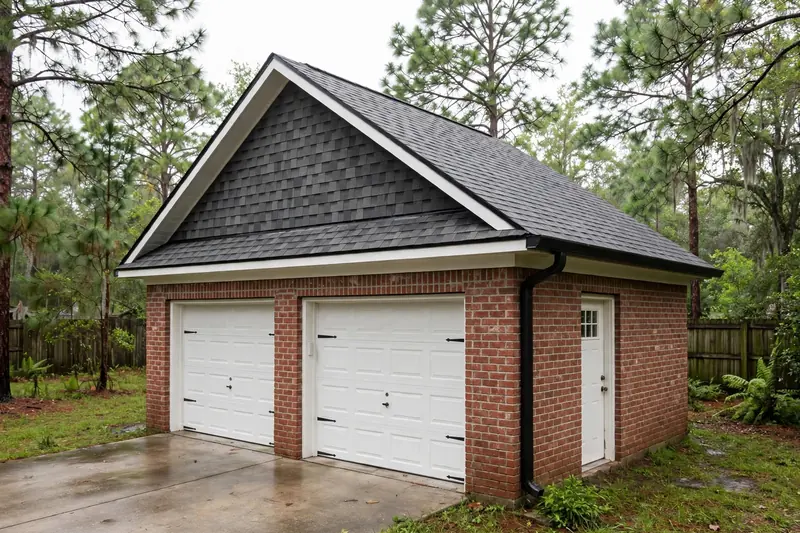
A Storm Claim With Hidden Deck Damage
A storm claim where the damage runs deeper than the visible hole — deck damage found from the attic side under intact-looking shingles. The scope is the attic-side deck check and the documented file, because the visible hole is rarely the whole story, and the carrier needs the evidence.
A Denied Claim, Documented Again
A claim denied on the first pass, with the homeowner asking for help. The scope is a re-inspection with photos and a written report, and a written request to reconsider with a re-inspection — with us present. We do not promise a denied claim can be reversed.
Problems we solve
Claims Problems We Solve in Conroe
Most of the claims calls we get in Conroe trace back to one of these problems.
Damage with no record
A claim without photos is a claim without evidence. We build the file — dated photos by plane, test-square counts, the soft-metal set — before anything is repaired.
A deductible that sounds too good
A roofer who offers to waive, absorb, or rebate your deductible is breaking Texas law. There is no such thing as a free roof after a storm.
An adjuster who missed items
Items the adjuster missed, or discovered during tear-off, are documented with photos and a corrected estimate — a supplement, for the carrier to decide.
A claim filed late
Filing deadlines vary by policy, and some carriers shorten them. File promptly, document before filing where possible, and read your declarations page for your policy's own deadline.
How an estimate works
How Your Claims Assistance Estimate Is Put Together
We do not publish prices — the inspection, the documentation, and the scope all move the figure. Here is what shapes the estimate.
The inspection and the file
The plane-by-plane inspection, the dated photos, the test squares, and the soft-metal set — the file the claim is built on.
The written scope
An itemised scope in line-item form, tied to the weather event. The scope is the document the carrier works from.
The adjuster meeting
We meet your adjuster on site and walk the documented damage with them. The meeting is part of the service — the negotiation is not.
Customer reviews
What Conroe Homeowners Say
★★★★★
Mr. Britt Cartwright and his crew made the investment worthwhile indeed specially knowing that they also have the needed experience working with the solar panel company to get the panels re-installed right the first time!
★★★★★
We were referred to Britt from someone else in our neighborhood. I cannot say enough good things about this company. They delivered an amazing roof and made sure we were happy every step of the way.
★★★★★
Just got a new roof with Squared Up Roofing on June 29, 2024 and I am very pleased! Mr. Britt and his team showed up and showed out. Mr. Britt operates with great Integrity and is a great person as well.
★★★★★
What can you say about a company that actually does what they promise!! Well Squared Up truly is that company. I was pretty nervous about replacing my roof but Britt walked me through the entire process and was there for me every step of the way.
What is the first step after storm damage to my roof?
Contact your insurance company or agent to file a claim as soon as possible, make a list of any damage, and take photos or video with your phone. Do not throw anything away until the insurance company tells you to do so, and save your receipts from any temporary repairs. The TDI Help Line is 800-252-3439, 8 a.m. to 5 p.m. Central, Monday to Friday.
Can you handle my insurance claim for me?
No. We document the damage, write an itemised scope, and meet your adjuster on site. We do not file your claim, negotiate your settlement, advise on your coverage, or act as a public adjuster — Texas Insurance Code §4102.163 bars a contractor doing the work from doing that. Your claim is filed by you, with your insurer or agent.
What is the difference between ACV and RCV?
RCV — replacement cost value — pays the full cost to replace with like kind and quality, minus your deductible, in two instalments: the actual cash value first, then the recoverable depreciation after completion and proof of completion. ACV — actual cash value — is the depreciated value only, so a 15-year-old roof with a 30-year life pays roughly half its replacement cost. Many carriers have shifted to ACV-only endorsements for roofs older than 10 or 15 years, so check your policy.
Is there such a thing as a free roof after a storm?
No. Waiving, absorbing, or rebating a deductible is illegal in Texas under the Business and Commerce Code §27.02 and Insurance Code Chapter 707, and the Texas Department of Insurance warns homeowners directly to avoid contractors who offer it. Any roofer who promises you a free roof is breaking the law.
Related services
Other Roofing Services We Handle in Conroe
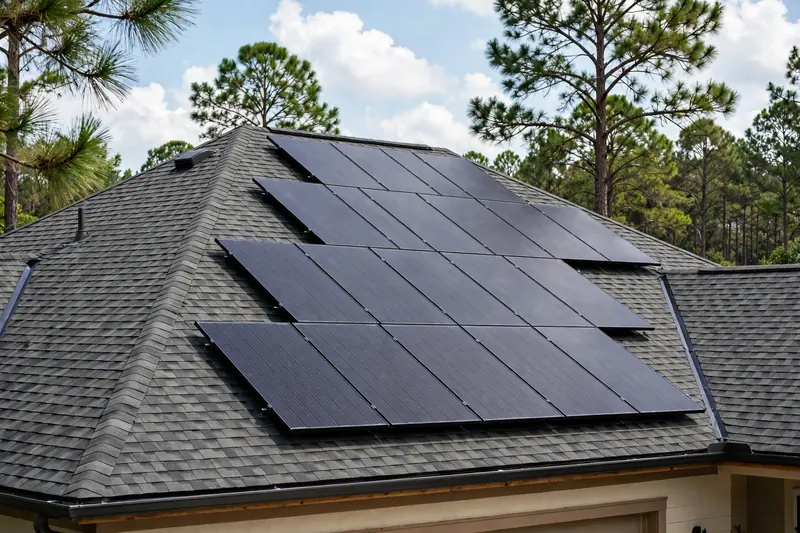
Storm Damage Roof Repair
Hail and wind inspection, tarping, and documented scopes after a storm — the damage the claim file is built from.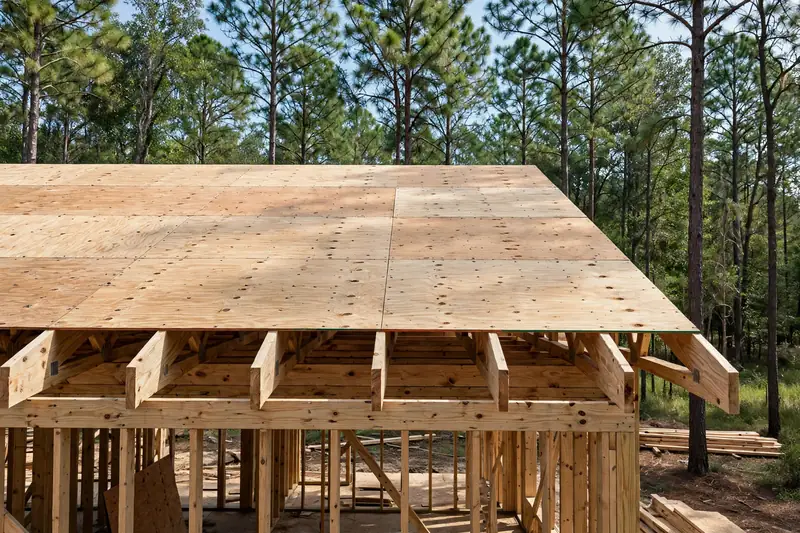
Roof Inspection
A plane-by-plane inspection with photos and a written condition report — the record a claim is built on.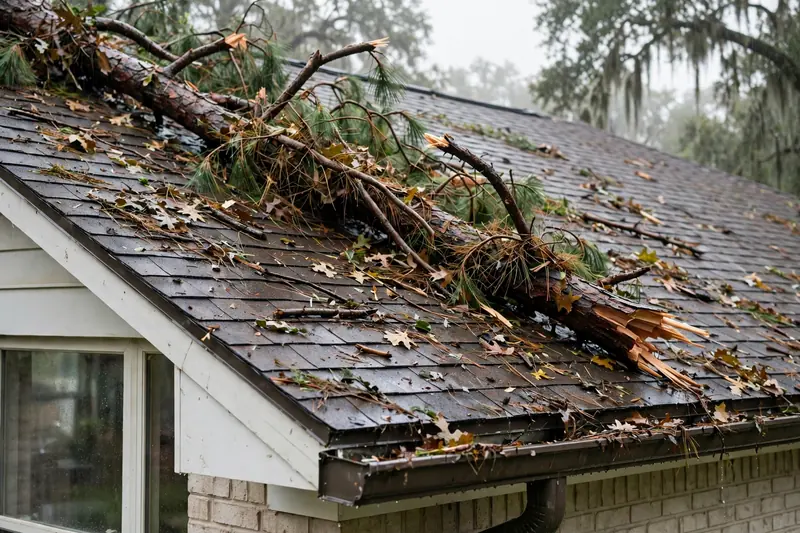
Tree Damage Roof Repair
When the storm brought a limb or a whole pine down, the tree removal and the roof repair are scoped separately for the adjuster.Ready when you are
Get Your Storm Damage Documented in Conroe
One inspection, a documented file, and an adjuster meeting on site. Call (936) 693-8377, Monday to Saturday, 8 AM to 8 PM.
Talk with the local team
Request Insurance Claims Assistance
Call (936) 693-8377 to book a storm inspection or talk through a claim file. We answer during business hours, Monday to Saturday, 8 AM to 8 PM, and return after-hours calls the next business morning.